

Few pieces of equipment shift as much pollutant load for as little operating cost as a primary clarifier. Sitting after screening and grit removal, this first sedimentation tank strips out roughly 90–95% of settleable solids, 40–60% of suspended solids, and 25–50% of BOD5 from raw wastewater before a single aeration blower switches on — the operating benchmarks published by wastewater consultancy EBS. Gravity does the work, and everything downstream — aeration, digesters, dewatering — simply handles less. For teams specifying, upgrading, or troubleshooting a primary clarifier, three decisions dominate the outcome: hydraulic loading, the scraper mechanism that moves settled sludge, and how disciplined the plant is about pumping that sludge before the blanket turns septic. This guide covers how the tank works, the numbers it should deliver, and the equipment behind both.
What a Primary Clarifier Does
A primary clarifier is an upstream sedimentation basin that reduces the concentrations of total suspended solids (TSS) and BOD ahead of biological treatment — the working definition used in trade references such as Water & Wastes Digest. Raw wastewater arrives after screening and grit removal, then slows to near-stillness: particles heavier than water sink, while oils, grease, and other floatables rise. The settled layer is scraped out as primary sludge; the floating layer is skimmed off as scum; the clarified middle flows over weirs toward the next stage.
In a typical municipal wastewater treatment plant, that next stage is an activated-sludge or fixed-film process — and it is expensive to run. The primary tank is the cheap buffer in front of it. When primary treatment underperforms, blowers, digesters, and dewatering equipment all absorb the extra load, which is why experienced operators treat the primary clarifier as a money tank rather than just a big concrete basin.
Primary vs. Secondary Clarifier: The Short Version
The two tanks share a shape but not a job. A primary clarifier settles raw wastewater and captures inert and organic solids by gravity. A secondary clarifier settles biological floc grown in the aeration basin, then usually thickens it for return to the process. Different feeds mean different surface loading, different scraper duties, and different failure modes, as the indicative comparison below shows.
How a Primary Clarifier Works, Stage by Stage
Geometry varies — circular tanks with rotating arms, rectangular basins with chain-and-flight or truss scrapers — but the process chain inside is the same five steps:
- Distribution. Influent enters through a center feed well (or an inlet channel on rectangular basins) that kills velocity so the tank settles rather than stirs.
- Settling. With the flow nearly still, particles heavier than water reach terminal velocity and sink, building a sludge blanket on the floor while grease and oils float upward.
- Sludge collection. Scraper arms, suction headers, or flights sweep the blanket to a hopper, where pumps send it on to thickening and dewatering.
- Scum removal. A baffle holds floating material back from the weirs so a skimmer can drag it into a scum trough for separate handling.
- Effluent withdrawal. Clarified water crests the peripheral weirs into the effluent launder at a rate low enough to leave settled solids behind.
The cutaway below shows how these parts sit in a circular, peripherally driven tank — the configuration most municipal plants use.
The Performance Numbers to Hold the Tank To
Judge a primary clarifier against three removal bands: 90–95% settleable solids, 40–60% suspended solids, and 25–50% total BOD5 — the range EBS publishes for well-run primary tanks. Many plants design around 60% TSS removal, the figure cited in clarifier design references such as The Wastewater Blog. When measured performance drifts below these bands, the culprit is usually hydraulic loading, blanket depth, or mechanical wear inside the tank, not the biology downstream.
The financial logic is direct: every point of BOD5 that escapes primary treatment becomes oxygen demand the blowers must satisfy, and every point of TSS becomes sludge that digesters and dewatering must process. A primary tank quietly losing ten points of TSS raises power, polymer, and disposal costs across the whole plant.
Design Parameters That Decide the Outcome
A handful of numbers determine most clarifier results, and they are the same numbers a purchaser should check in any equipment proposal.
| Parameter | Typical range | What it controls |
|---|---|---|
| Surface overflow rate (SOR) | About 300–1,200 gpd/ft² | Tank surface area; higher rates shorten settling time and risk solids carryover |
| Detention time | 1.5–2.5 h | Contact time for settleable solids to reach the sludge blanket |
| Weir overflow rate | About 10,000 gpd/ft for plants up to 1 MGD | Even effluent withdrawal; high rates pull floc over the weir |
| TSS removal target | 40–60%, with many designs aiming near 60% | Load passed on to the biological process and digesters |
| Sludge pumping cycle | Timed to keep the blanket shallow | Prevents septic sludge, gasification, and rising solids |
Ranges compiled from The Wastewater Blog's clarifier design notes, Metcalf & Eddy's Wastewater Engineering, Ten States Standards, and EBS operating benchmarks.
Equipment That Keeps a Primary Clarifier Working
Settling is free; keeping the tank settling is mechanical. The rotating equipment inside decides whether the sludge blanket stays shallow and the scum actually leaves the tank.
Circular tanks: center-drive and peripheral-drive scrapers
A center-drive unit hangs its drive on a central pier and rakes the floor toward a hopper in the middle — the simplest layout for small and mid-size circular basins. For plants that want thicker primary sludge without building separate thickening tanks, a central drive mud scraper and thickener combines both duties in one rotating mechanism.
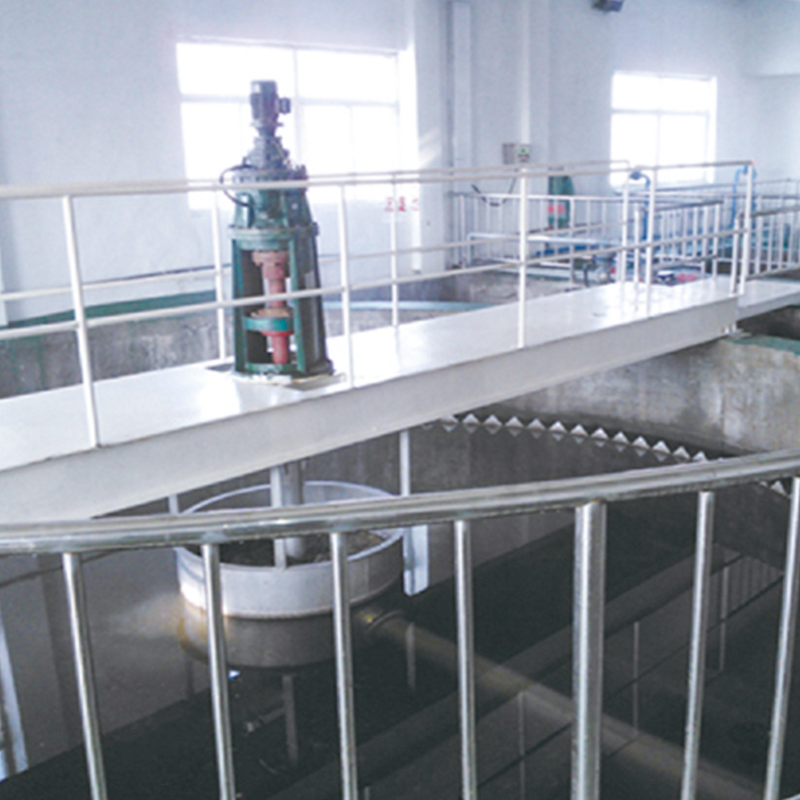 Central Drive Mud Scraper And Thickener for Circular Basins This center-drive unit rakes floor sludge toward a central hopper in circular tanks under about 18m, combining scraping and thickening in one mechanism, so it suits small and mid-size plants seeking thicker primary sludge. View Product →
 Larger municipal basins usually go peripheral drive: a half- or full-span bridge rides a rail on the tank wall, carrying scrapers or suction headers across the floor. Placing the drive at the rim avoids impractical center torque on wide tanks, and operators can walk the bridge to inspect blanket depth and weir condition directly — a layout used in a standard peripheral drive mud scraper.
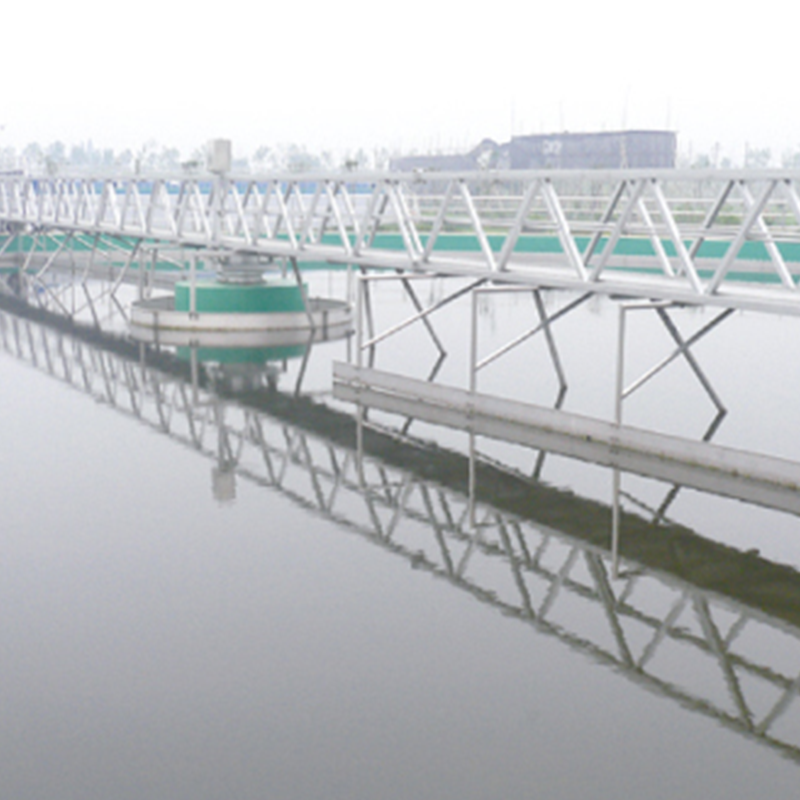 Peripheral Drive Mud Scraper for Large Circular Tanks With the drive mounted on a wall-rail bridge, this scraper suits basins over 20m where center torque is impractical, letting operators walk the bridge to check sludge blanket depth and weir condition directly. View Product →
 Rectangular basins: truss scrapers
Where the plant layout is rectangular, a truss scraper machine sweeps the full floor width with flights fixed to travelling trusses, pushing sludge into hoppers at one end while a skimmer handles the surface. The duty is identical — shallow blanket, clean weirs — just along a straight line.
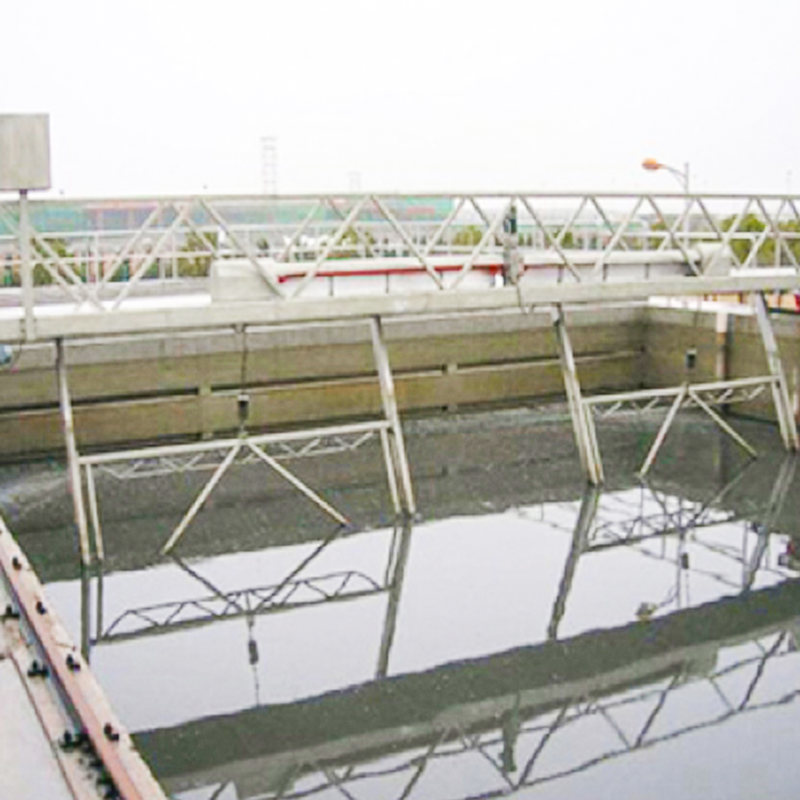 Truss Scraper Machine for Rectangular Sedimentation Tanks For rectangular basins, this travelling truss scraper sweeps the full floor width, pushing sludge toward collection hoppers at one end while optionally skimming surface scum, with PLC-controlled automatic operation. View Product →
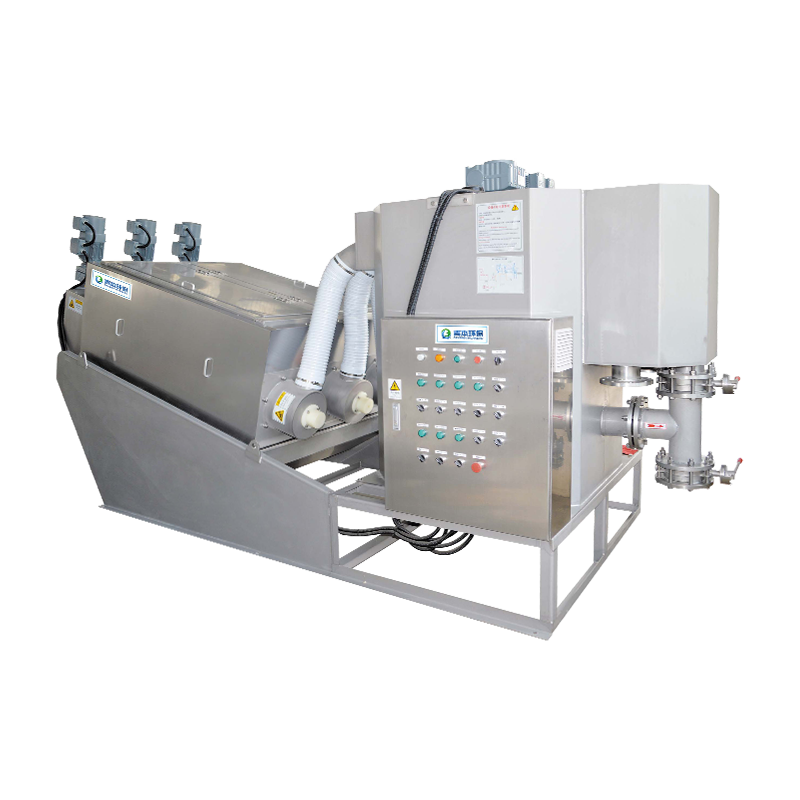
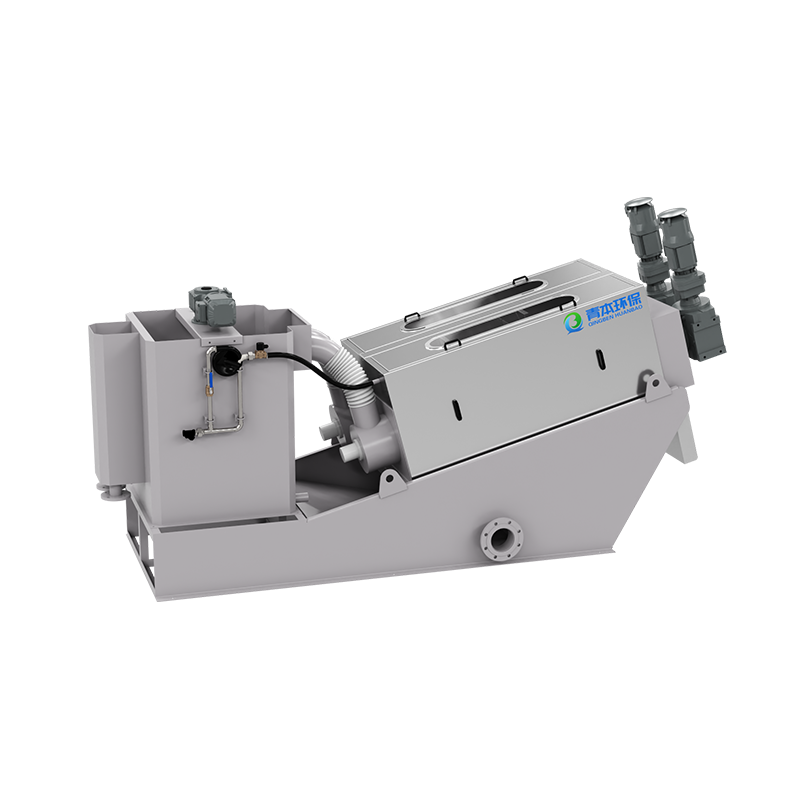
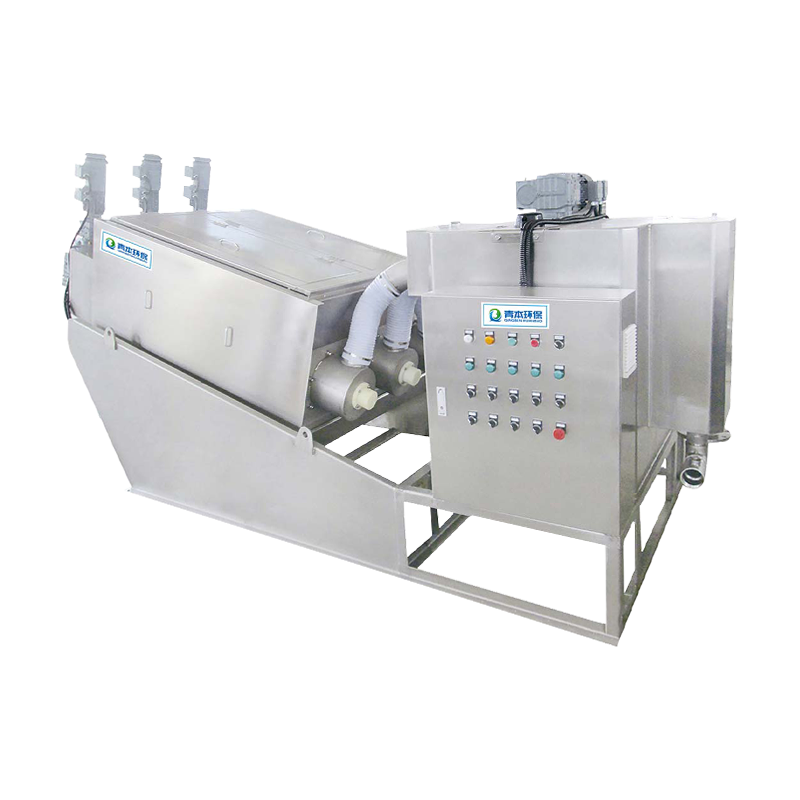
 Whatever collects the sludge, the next cost center is handling it. Primary sludge is normally pumped to thickening and then dewatered mechanically; this plain-language overview of a screw press sludge dewatering machine explains the equipment that typically follows. Upstream, mechanical screens and grit separation remain the clarifier's best protection, since rags and abrasive grit are what wear out scraper drives.
Common Primary Clarifier Problems and First Responses
Most primary clarifier complaints trace back to four recurring issues, and each has a straightforward first response before anyone orders new equipment.
Blanket too deep, sludge going septic
- Symptoms: septic odors, gas bubbles, and clumps of sludge rising to the surface.
- Fixes: tighten the sludge pumping schedule, verify scraper torque and blade wear, and check pumps against design flow.
Scum and grease accumulation
- Symptoms: thick scum mats, fouled weirs, and floating solids in the primary effluent.
- Fixes: run the skimmer on schedule, keep the scum baffle submerged and clean, and trace industrial discharges upstream for fats and oils.
Short-circuiting
- Symptoms: uneven blanket depths, clear fast-moving channels near the inlet, and inconsistent effluent quality.
- Fixes: inspect the inlet baffle and feed well, level the weirs, and run a dye test to confirm the actual flow path.
Weir fouling and solids carryover
- Symptoms: visible floc passing over the effluent launders and TSS climbing in primary effluent.
- Fixes: clean the weirs and launders, then compare the actual surface overflow rate with the design value before blaming the mechanism.